


Is Hyaluronic Acid Ingredient Good for Acne? Safe Hydration for Breakout-Prone Skin
Is Hyaluronic Acid Good for Acne?
Usually, yes. Hyaluronic acid (HA) is generally a good match for acne-prone skin because it helps hydrate and support skin barrier comfort. However, HA is not an acne treatment in the same way that retinoids, benzoyl peroxide, or salicylic acid are. Think of HA as the ingredient that helps your routine feel better—so you can stay consistent with the actives that actually target breakouts.
Can Hyaluronic Acid Cause Acne or Clog Pores?
HA itself is a water-binding humectant, not an oil or wax, so it’s unlikely to clog pores for most people. When someone breaks out after using an “HA product,” it’s often due to the full formula, such as:
A texture that’s too heavy/occlusive for their skin or climate
Fragrance or irritants that trigger bumps or redness
Layering too many products (heavy serum + thick cream + heavy sunscreen)
Tip: If you’re acne-prone, choose lightweight, fragrance-free HA products and avoid “rich” textures during active breakouts.
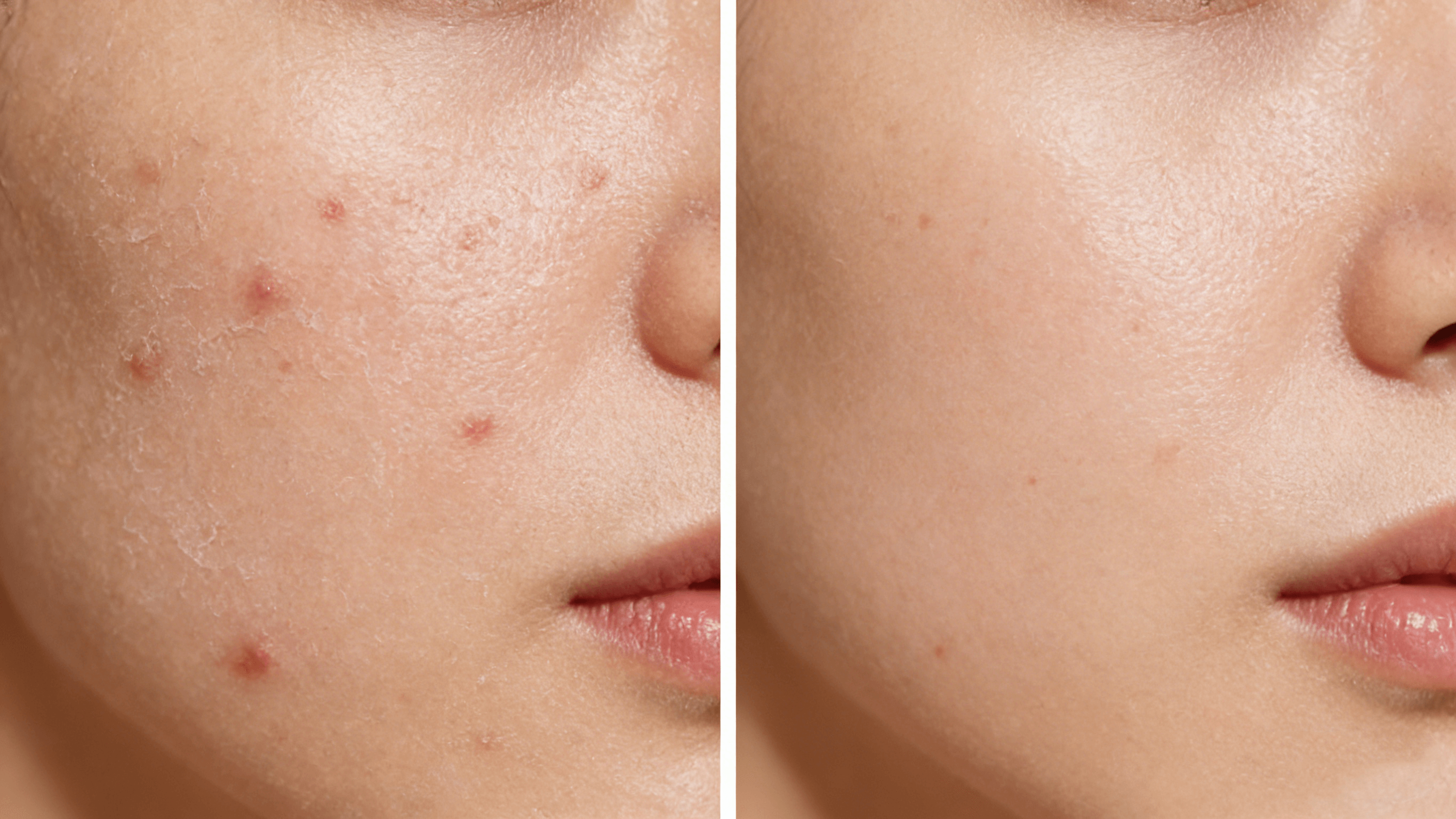
Benefits of Hyaluronic Acid for Acne-Prone Skin
1) Hydration without greasiness
Dehydrated skin can feel tight and reactive. Hyaluronic Acid helps skin hold water, improving softness and comfort—especially if you’re using drying acne treatments.
2) Barrier support = better tolerance
Many acne actives can cause peeling or stinging at the start. Adding HA can reduce “routine friction,” making it easier to stick with your acne plan consistently.
3) Helps reduce the “over-cleansing cycle”
When skin feels dry, people often scrub more or use stronger products—making inflammation worse. HA helps keep hydration steadier, which can reduce this cycle.
Does HA Have Anti-Inflammatory Effects?
You’ll often hear HA described as “soothing.” In real-world skincare, the most reliable benefit is still hydration + barrier comfort. Any calming effect is usually secondary to a healthier, less irritated skin surface—so it’s best not to position HA as a primary anti-inflammatory acne active.
Best Ingredients to Combine with HA (and how to layer)
HA pairs well with evidence-based acne routines because it supports comfort.
Great pairings
Retinoids (adapalene/tretinoin): HA helps reduce dryness and tightness.
Benzoyl peroxide: HA can offset dryness and improve tolerability.
Salicylic acid (BHA): HA helps prevent the “stripped” feeling after exfoliation.
Niacinamide / Ceramides: barrier-friendly partners for sensitive, acne-prone skin.
Simple layering rule:
Cleanse → acne active (if using) → HA → moisturizer → sunscreen (AM)
If you’re very sensitive, try a buffer: moisturizer (or HA) → retinoid → moisturizer.
Quick FAQ
Q1: Should oily skin use hyaluronic acid?
Yes—oily skin can still be dehydrated. Choose a light gel/serum texture. Or choose skincare products containing hyaluronate zinc.
Q2: Can Hyaluronic Acid replace salicylic acid or benzoyl peroxide?
No. HA supports hydration; actives target clogged pores, bacteria, and inflammation.
Q3: What should acne-prone skin avoid in HA products?
Heavy, greasy textures, strong fragrance, and “everything-in-one” formulas with too many actives.
Disclaimer: This article is educational and not medical advice. Persistent or severe acne should be assessed by a dermatologist.
Ingredients
Hyaluronic Acid & Tremella Fuciformis Polysaccharide
Collagen & Chondroitin Sulfate
Contact Us
 Address
 Email
Email



© Copyright - 2010-2025 : All Rights Reserved. Hot Products - Sitemap
Food Grade Sodium Hyaluronate Powder,
Freda Sodium Hyaluronate Powder,
Food Grade Sodium Hyaluronate,
Sodium Hyaluronate Powder,
Sodium Hyaluronate Structure,
Concentrated Sodium Hyaluronate,