The price disparity between ordinary food-grade sodium hyaluronate, costing several thousand yuan per kilogram, and high-end pharmaceutical-grade sodium hyaluronate for injectable applications, priced at hundreds of thousands of yuan per kilogram, demonstrates the formidable technological barriers and decades of research behind high-value-added products.
In the early phase of the industry, overseas manufacturers mostly adopted animal tissue extraction to produce hyaluronic acid. In the 1990s, Freda took the lead in China to conduct research on microbial fermentation biosynthesis of hyaluronic acid and successfully realized industrial-scale production. After decades of industrial evolution, China’s hyaluronic acid industry has accomplished a historic shift from import reliance to global leadership.
Shandong Focusfreda Biotech Co., Ltd., a global frontrunner in the hyaluronic acid industry headquartered in Qufu, Jining, Shandong Province, showcases how continuous innovation helps enterprises break technological barriers and drive industrial upgrading.
1. Breaking the Lower Threshold: 400 Da Low-Molecular-Weight Sodium Hyaluronate Redefines Industry Limits
Deep engagement in the hyaluronic acid sector, breakthroughs in molecular weight constraints, and the development of sodium hyaluronate products spanning a full molecular weight spectrum from 400 Da to 3.2 million Da constitute Focusfreda’s core roadmap for industrial upgrading and high-quality transformation.
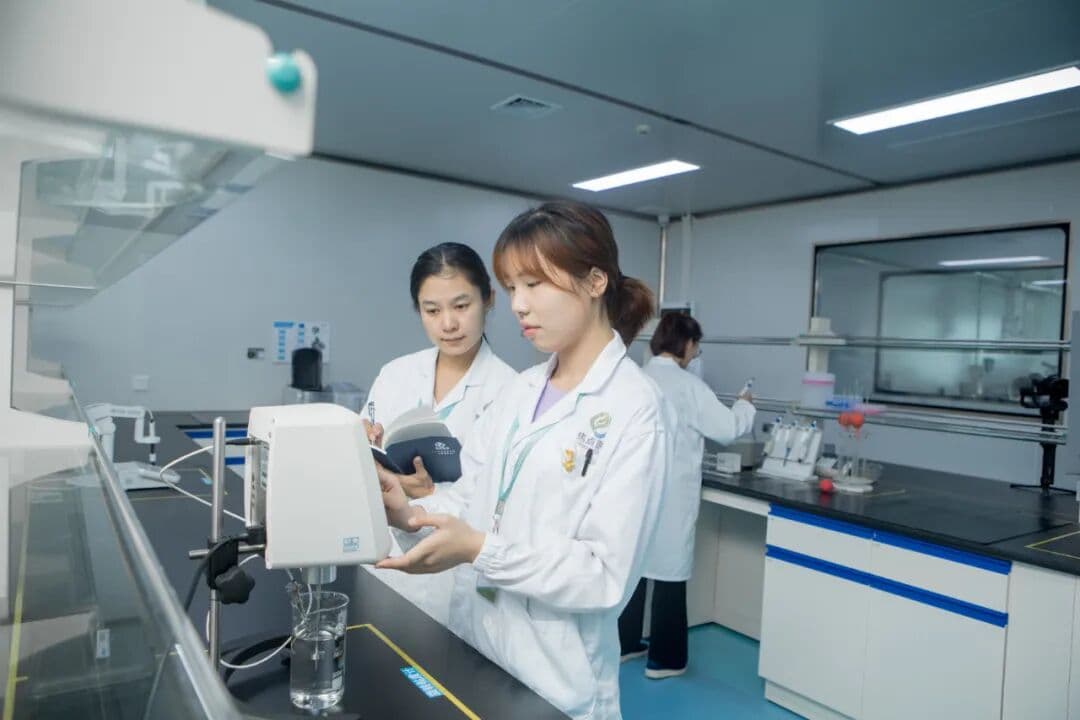
At Shandong Focusfreda Biotech Co., Ltd., the R&D center is directly connected to production workshops. Rows of containers filled with viscous solutions mark the origin of the company’s core product — sodium hyaluronate — embodying its long-term commitment to technological innovation and pursuit of technical breakthroughs.
“Hyaluronic acid, commonly known as sodium hyaluronate, is a viscous polysaccharide applicable to many sectors including eye drops, joint injections and skincare,” explained Kang Chuanli, Deputy General Manager and R&D Director of Shandong Focusfreda Biotech Co., Ltd. Sodium hyaluronate is divided into food grade, cosmetic grade, pharmaceutical grade and other grades based on application scenarios. Iterative upgrading of product technologies fundamentally relies on advances in molecular weight regulation and control.
The biological properties of hyaluronic acid are closely tied to its molecular chain length and relative molecular weight. For a long time, the industry ceiling for low-molecular-weight sodium hyaluronate stood at roughly 5,000–10,000 Da. Every precise downward adjustment of molecular weight represents a push against technical limits, a challenge comparable to top scholars striving to raise scores from an already high level.
“Scoring 90 points is relatively easy, but breaking through bottlenecks to exceed 95 points requires tackling difficulties at every stage,” Kang Chuanli illustrated the hardships of technical R&D.
What makes such progress so difficult? The answer lies in the industry’s developmental history. Since the 1980s, core hyaluronic acid technologies in China were long monopolized by overseas enterprises, keeping product prices high. The preparation of low-molecular-weight sodium hyaluronate stood out as a prominent technological bottleneck.
According to Kang Chuanli, core technologies for producing low-molecular-weight sodium hyaluronate via chemical degradation were once controlled by foreign companies. Given the broad application prospects of low-molecular-weight sodium hyaluronate, conquering this barrier became both a key direction for domestic industrial development and a strategic target for Focusfreda.
“Chemical degradation remains one of the main production routes for oligosaccharide sodium hyaluronate. Nevertheless, this method requires harsh reaction conditions and may partially damage the molecular structure of hyaluronic acid,” Kang Chuanli noted.
Therefore, targeted enzymatic degradation of hyaluronic acid using hyaluronidase has gradually become a mainstream research focus. Compared with chemical degradation, enzymatic degradation features mild reaction conditions, good controllability, uniform product structure and higher purity.
Yet two major hurdles remained on the path to mass production: First, the low enzymatic activity of wild hyaluronidase-producing strains; Second, the development of high-purity enzyme purification technology to enable accurate manufacturing of premium oligosaccharides.
Constructing high-activity hyaluronidase-expressing strains became Focusfreda’s first critical task to break technical barriers. To address widespread industry pain points, the company invested heavily in R&D and continuously optimized strain improvement and production processes.
“Initially, the wild strains we screened only delivered enzyme activity of 10,000 U/mL. With synthetic biology technologies, enzyme activity rose above 2 million U/mL. Supported by advanced chromatography, activity can be further lifted to 20–30 million U/mL. By applying highly purified enzymes for precise degradation of hyaluronic acid, we finally broke the lower limit of molecular weight,” Kang Chuanli said.
Starting in 2018, Focusfreda built industry–academia–research cooperation platforms with universities including Jiangnan University and officially launched a special R&D program targeting low-molecular-weight sodium hyaluronate. The project entered its core research phase in 2019. After six years of persistent research and repeated trials, the company mastered core enzymatic degradation technology. The molecular weight of sodium hyaluronate products was gradually lowered from the initial range of 5,000–10,000 Da, eventually enabling mass production of 400 Da low-molecular-weight sodium hyaluronate raw materials.
This breakthrough effectively filled the domestic supply gap for low-molecular-weight sodium hyaluronate and boosted China’s independent innovation capacity in this field.
2. Pursuing Higher Value: Entering the High-End Pharmaceutical-Grade Market
Pursuing high-value-added development is central to enterprises’ high-quality transformation, as well as an indispensable path for industries to escape low-end homogeneous competition and march into high-end market segments.
Taking the hyaluronic acid sector as an example, product added value varies drastically with application scenarios and quality grades. Ordinary food-grade sodium hyaluronate costs roughly several thousand yuan per kilogram; pharmaceutical-grade material for eye drops can reach tens of thousands of yuan per kilogram; while pharmaceutical-grade sodium hyaluronate for premium injectable products can hit hundreds of thousands of yuan per kilogram, highlighting the outstanding value of high-end products.
Behind these high-value products lie strict technical thresholds and years of accumulated research.
Kang Chuanli explained that producing pharmaceutical-grade high-molecular-weight sodium hyaluronate above 2 million Da is widely acknowledged as one of the industry’s toughest technical challenges. High-molecular-weight sodium hyaluronate possesses longer molecular chains and higher molecular weight, yet its molecular chains are extremely vulnerable to breakage and degradation caused by temperature, pH value, mechanical shear force and other external factors, posing enormous obstacles to stable large-scale production.
To tackle this core technical bottleneck, Focusfreda allocated massive resources to intensive research. Through constant exploration and optimization, the team completed 400–500 batches of repeated experiments and refined production parameters continuously. Experimental material investment alone reached approximately 20–30 million yuan.
After years of dedicated research, the company achieved a major breakthrough: the stably producible molecular weight of pharmaceutical-grade sodium hyaluronate was lifted from just over 2 million Da to above 3 million Da, resolving manufacturing constraints for premium high-molecular-weight sodium hyaluronate products.
Apart from advances in high-molecular-weight products, Focusfreda has independently developed proprietary advanced plant-derived nitrogen source preparation technology, lifting the maximum industrial fermentation yield of sodium hyaluronate to 14 g/L.
Relying on precision enzymatic degradation technology, the company realizes mass production covering the full molecular weight range of 400 Da to 3.2 million Da, successfully overcoming key bottlenecks in industrial microbial fermentation across the industry.
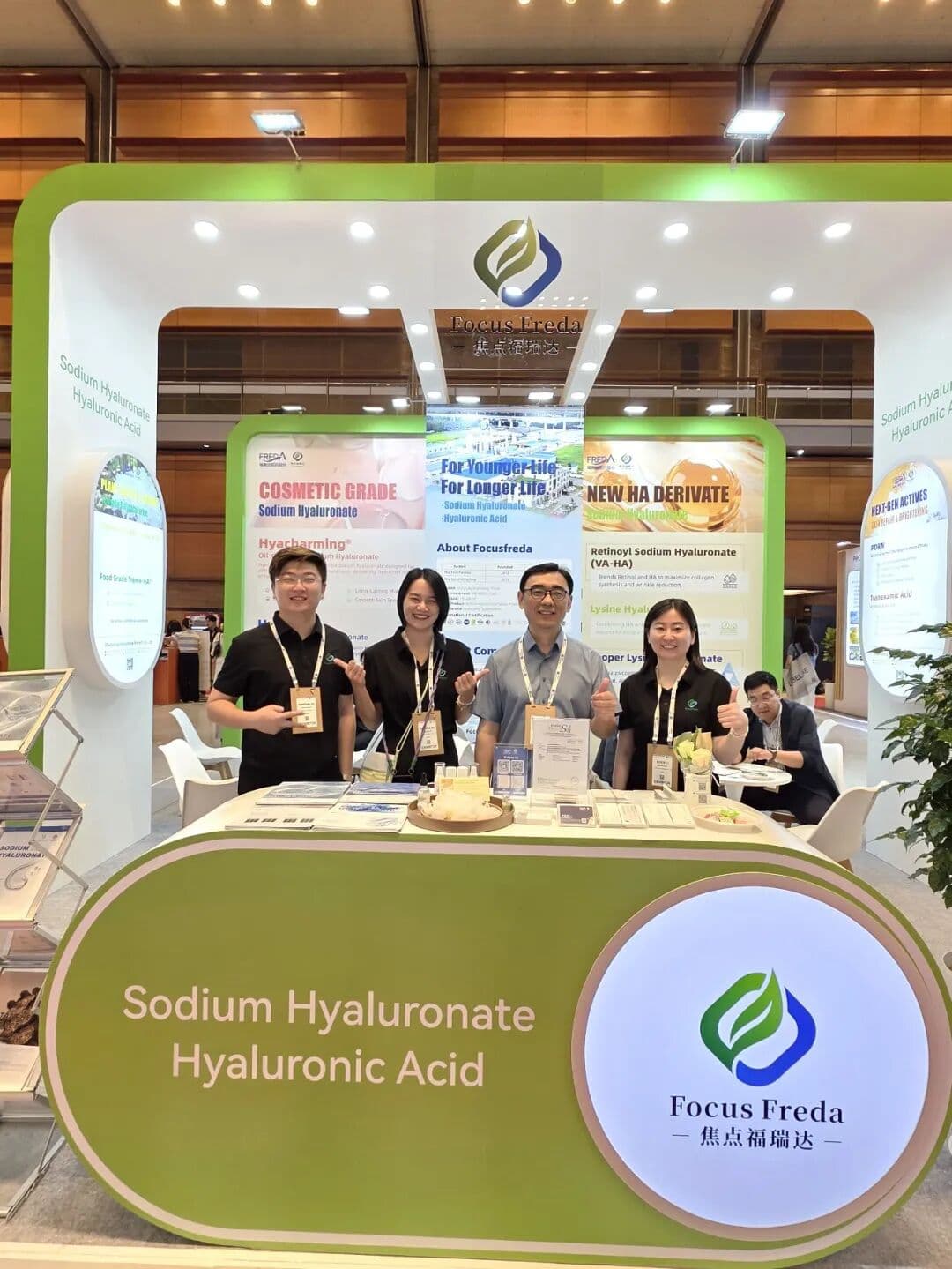
Powered by these two core technologies, Focusfreda’s product portfolio fully satisfies refined, differentiated demands across food, beauty, pharmaceutical and medical sectors. The enterprise holds a leading position in the global sodium hyaluronate raw material market, ranking among the world’s top three by market share.
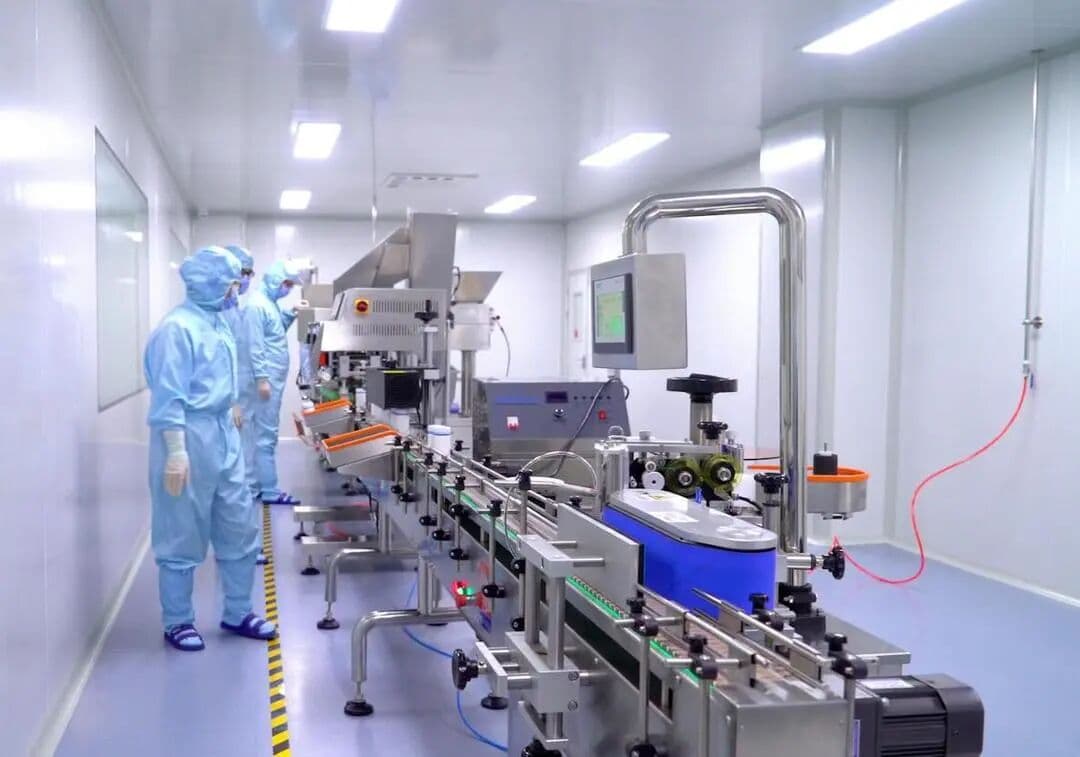
“Currently, the world’s top three enterprises by sodium hyaluronate market share are all Chinese firms,” Kang Chuanli stated.
After decades of industrial evolution, China’s hyaluronic acid industry has accomplished a historic shift from import reliance to global leadership.
3. Forging Ahead with Innovation: R&D Strength Underpins Long-Term Leading Edge
How has Focusfreda repeatedly overcome major industry-wide technical obstacles? The answer lies in its long-standing commitment to R&D innovation and continuous technological accumulation.
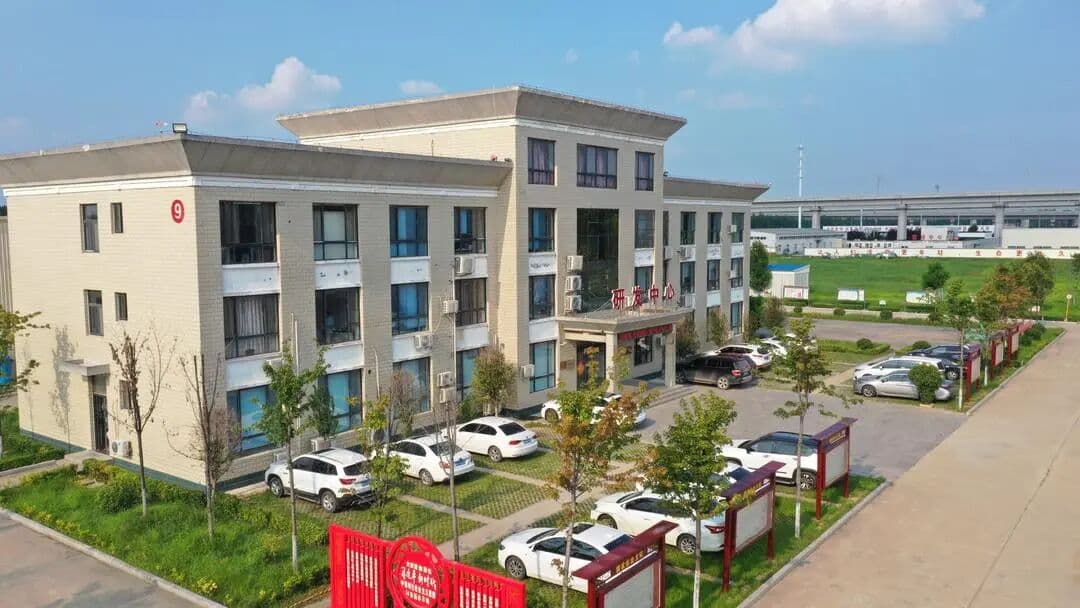
“The company maintains sustained high R&D investment. R&D expenditure accounts for over 6% of annual operating revenue, with yearly investment approaching 20 million yuan,” Kang Chuanli introduced.
Guided by the dual-driven strategy of “technology and talent”, Focusfreda steadily enhances innovation capability and transforms from a “large-scale sodium hyaluronate raw material manufacturer” into a technology-powered “industry leader.”
The company vigorously advances deep industry–academia–research collaboration through partnerships with universities and research institutions including Jiangnan University, Beijing Technology and Business University, Shandong Academy of Pharmaceutical Sciences and Qufu Normal University. By setting up professional R&D teams and joint research & production platforms, Focusfreda accelerates the exploration and commercialization of cutting-edge scientific achievements.
At present, the enterprise offers more than 100 product specifications and owns over 100 core patents, forming solid technical and product moats.
“We will continue to take technological innovation as our core strategy and push forward high-quality, high-value development,” Kang Chuanli commented.
In the future, Focusfreda will deepen research into synthetic biology technology to further raise fermentation efficiency and lower production costs. The company will also expand into emerging tracks such as sialic acid and ergothioneine to enrich its diversified product lineup.
Meanwhile, leveraging in-depth industry–academia–research cooperation with institutions including Jiangnan University, Focusfreda will speed up R&D and registration procedures for high-value pharmaceutical-grade products. In niche segments such as eye-drop-grade and injectable-grade materials, the company will benchmark global top-tier standards. Supported by stable product quality and customized solutions, Focusfreda will strengthen its competitiveness, further consolidate its advantages in the global sodium hyaluronate raw material market, and facilitate the enterprise’s strategic shift from “scale expansion” to “value-driven leadership.”